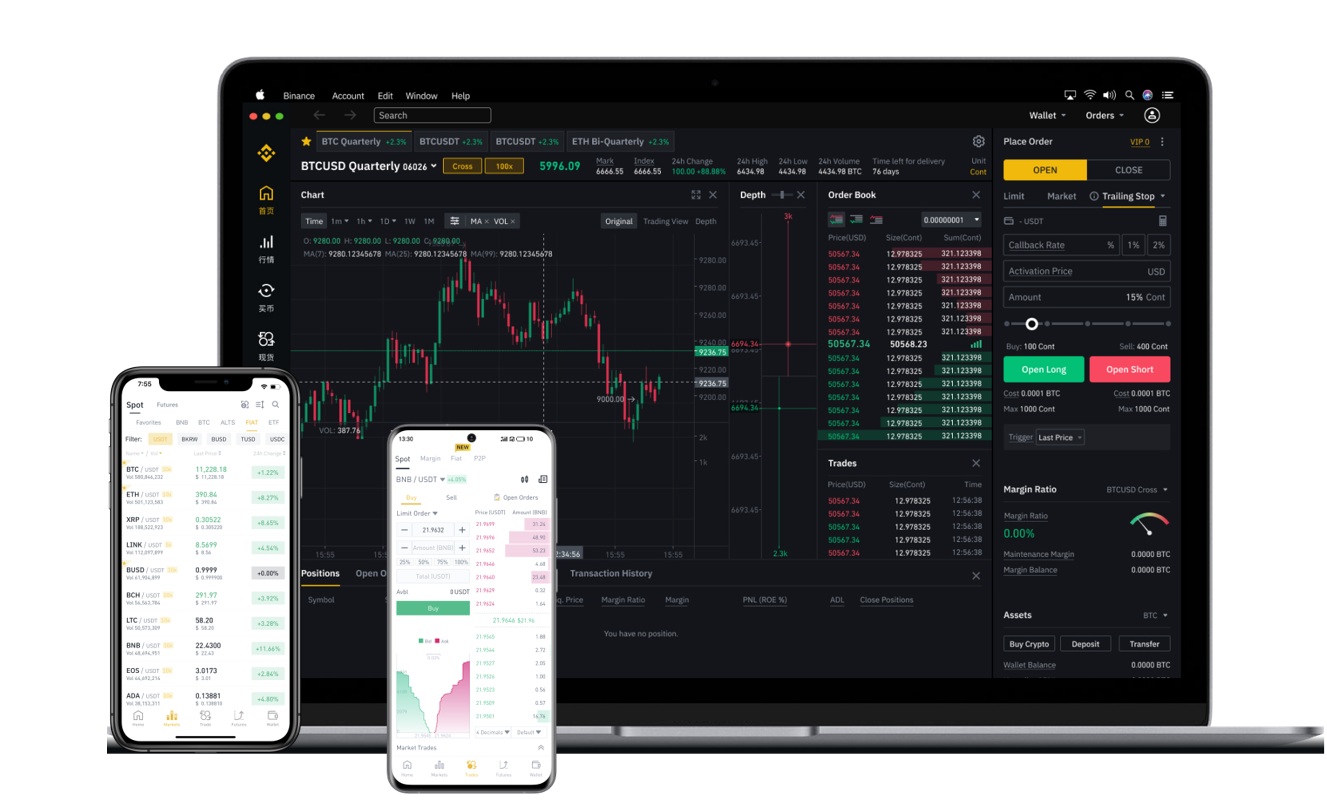

Withdrawing funds from Binance Taiwan (also known as Binance’s regional interface catering to Taiwanese users) is a process that many cryptocurrency traders need to navigate carefully. While Binance is a global exchange, its Taiwan-facing platform often integrates local payment methods such as bank transfers via TWATS (Taiwan Automated Transfer System) or third-party payment gateways. Understanding the correct steps ensures that your funds arrive safely and without unnecessary delays.
First, log in to your Binance account and ensure it is verified. For Taiwanese users, identity verification (KYC) is mandatory before any withdrawal. Once verified, navigate to the “Wallet” section and select “Withdraw.” You will see two main options: withdrawing crypto to an external wallet or withdrawing fiat (New Taiwan Dollars, TWD) directly to your bank account. For fiat withdrawals, Binance Taiwan typically supports linking local bank accounts through the “Convert & Withdraw” feature or via a P2P (peer-to-peer) trading platform. The most straightforward method is to use the “Fiat and Spot” wallet, then choose “Withdraw” under TWD. You will be prompted to select your bank account; if it is not already linked, you must add it by entering your bank details and verifying the account via a small deposit test (usually 1 to 10 TWD).
For crypto withdrawals, the process is similar but requires careful attention to the network selection. When withdrawing crypto such as Bitcoin or Ethereum, you must choose the correct blockchain network (e.g., BEP-2, BEP-20, ERC-20). Using the wrong network can lead to permanent loss of funds. Binance will display a warning if the network is incompatible with the recipient address. After entering the amount and confirming the address, you will need to pass two-factor authentication (2FA) via SMS or an authenticator app. There is a withdrawal fee for each transaction, which varies by coin and network congestion. Always double-check the fee before confirming.
Another popular method among Taiwanese users is the P2P withdrawal. On Binance’s P2P platform, you can sell your USDT or other stablecoins directly to other users who pay you in TWD via bank transfer. This method often has lower fees and faster settlement times compared to direct fiat withdrawals. To do this, go to “Trade” > “P2P,” select “Sell” on USDT or the asset you hold, and choose a buyer with good reputation and a payment method that works for you (e.g., bank transfer from CTBC, Cathay, or Taiwan Cooperative Bank). Once the buyer sends the TWD to your bank account, you release the crypto from the Binance escrow. This process usually takes minutes to a few hours.
There are several important considerations for Binance Taiwan users. First, withdrawal limits apply based on your verification level. Unverified users face a daily limit of 0.06 BTC, while verified users can withdraw up to 100 BTC per day. For fiat withdrawals, the limit is typically around 500,000 TWD per day for verified users. Second, avoid common mistakes such as mistyping the recipient address or ignoring network fees. Binance Taiwan also occasionally suspends withdrawals during maintenance, so check the platform’s status page if you encounter issues. Finally, if your withdrawal is delayed, ensure you have not triggered any security flags—sometimes Binance’s system requires additional verification (like a video call) for large amounts.
A common issue users report is that their bank rejects the transfer from Binance. This can happen if the bank’s anti-money laundering (AML) system flags the transaction. To avoid this, ensure your bank account name matches your Binance verified name exactly, and consider using a bank that is known to be crypto-friendly in Taiwan, such as Taishin Bank or Cathay United Bank. If a rejection occurs, contact your bank’s customer service and clearly explain the source—crypto exchange—to resolve the hold.
In summary, withdrawing from Binance Taiwan is safe if you follow the correct procedure. Whether you choose direct fiat withdrawal, crypto transfer, or P2P trading, the key is to verify all details, use the correct network, and ensure your account is fully verified. By taking these steps, you can access your funds efficiently while minimizing risks. For the most up-to-date information, always refer to Binance’s official support page for Taiwan-specific guidelines, as policies may change over time.