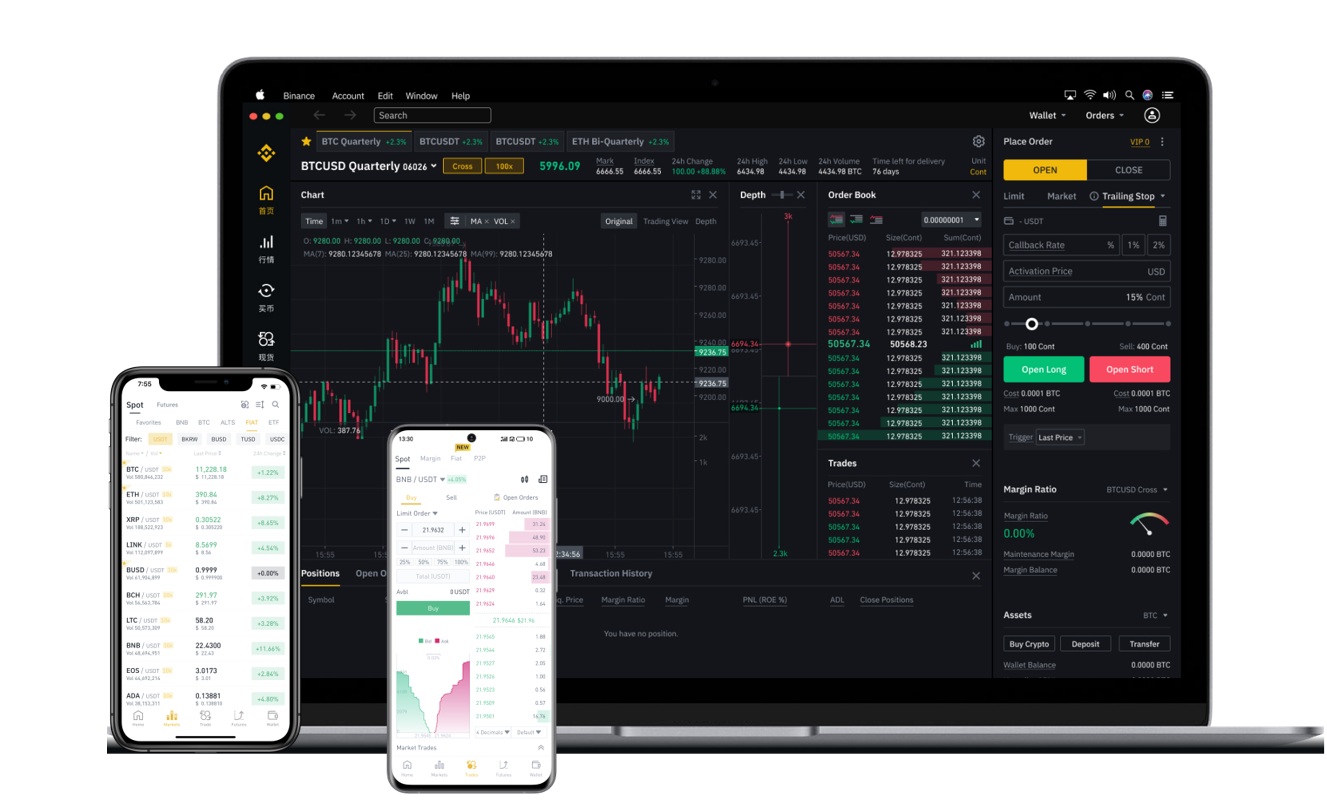
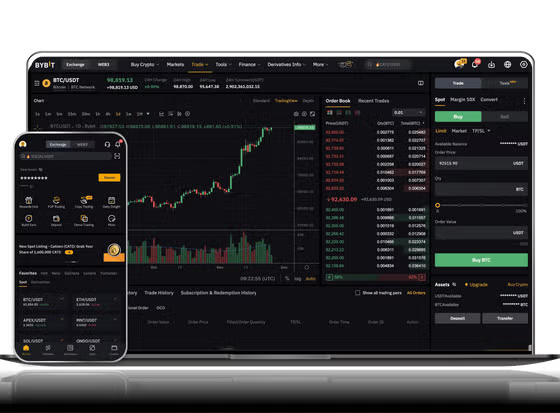

Binance is one of the largest and most widely used cryptocurrency exchanges in the world. However, for new and experienced users alike, two central questions often arise: Is Binance actually safe? And if so, how do you use it properly? This article provides a direct breakdown of Binance’s security features, regulatory status, and a practical guide on how to get started.
First, let’s address safety. Binance employs a multi-layered security system, including the Secure Asset Fund for Users (SAFU). This is an emergency insurance fund that covers user losses in extreme cases, such as a security breach. The platform also uses two-factor authentication (2FA), withdrawal whitelist features, and advanced encryption protocols to protect accounts. While no exchange is 100% risk-free, Binance’s security infrastructure is considered robust compared to many smaller platforms.
However, it is important to note that Binance has faced regulatory scrutiny in several countries, including the United States, the United Kingdom, and Japan. In some regions, Binance has either been restricted or operates under a localized version of the platform. This means that the safety of using Binance can depend heavily on where you live. Regulated versions, such as Binance US, offer additional consumer protections. Always check whether Binance is legally available in your jurisdiction before signing up.
Now, how do you use Binance? The process begins with account creation. Download the official app from your device’s app store or visit the official website. Complete the identity verification process (KYC), which typically requires a government-issued ID and a selfie. This step helps prevent fraud and is mandatory for full access to trading and withdrawals.
Once your account is verified, deposit funds. You can deposit fiat currency (such as USD or EUR) via bank transfer, card payment, or peer-to-peer trading. Alternatively, you can send cryptocurrency from another wallet directly into your Binance wallet. After funding your account, navigate to the “Trade” section. Here you can choose from “Spot Trading” (buying and selling at current prices) or “Futures” (leveraged trading). For beginners, spot trading is recommended.
Security measures during use include enabling 2FA via Google Authenticator or SMS, setting up anti-phishing codes, and adding trusted withdrawal addresses. Never share your login credentials or API keys with third parties. Also, avoid clicking on links from unsolicited emails or social media messages claiming to be from Binance support.
In conclusion, Binance is a relatively safe exchange if you follow proper security protocols and use it in a region where it is compliant with local laws. To use it effectively, complete your verification, secure your account, and start with basic spot trading. Always be cautious of scams and regulatory updates in your area. By understanding both the platform’s safety features and how to navigate its interface, you can trade with greater confidence and control.